
High retention
The pore size is 0.25–0.37 nm, and it almost completely retains sugars, acids, proteins and pigments.
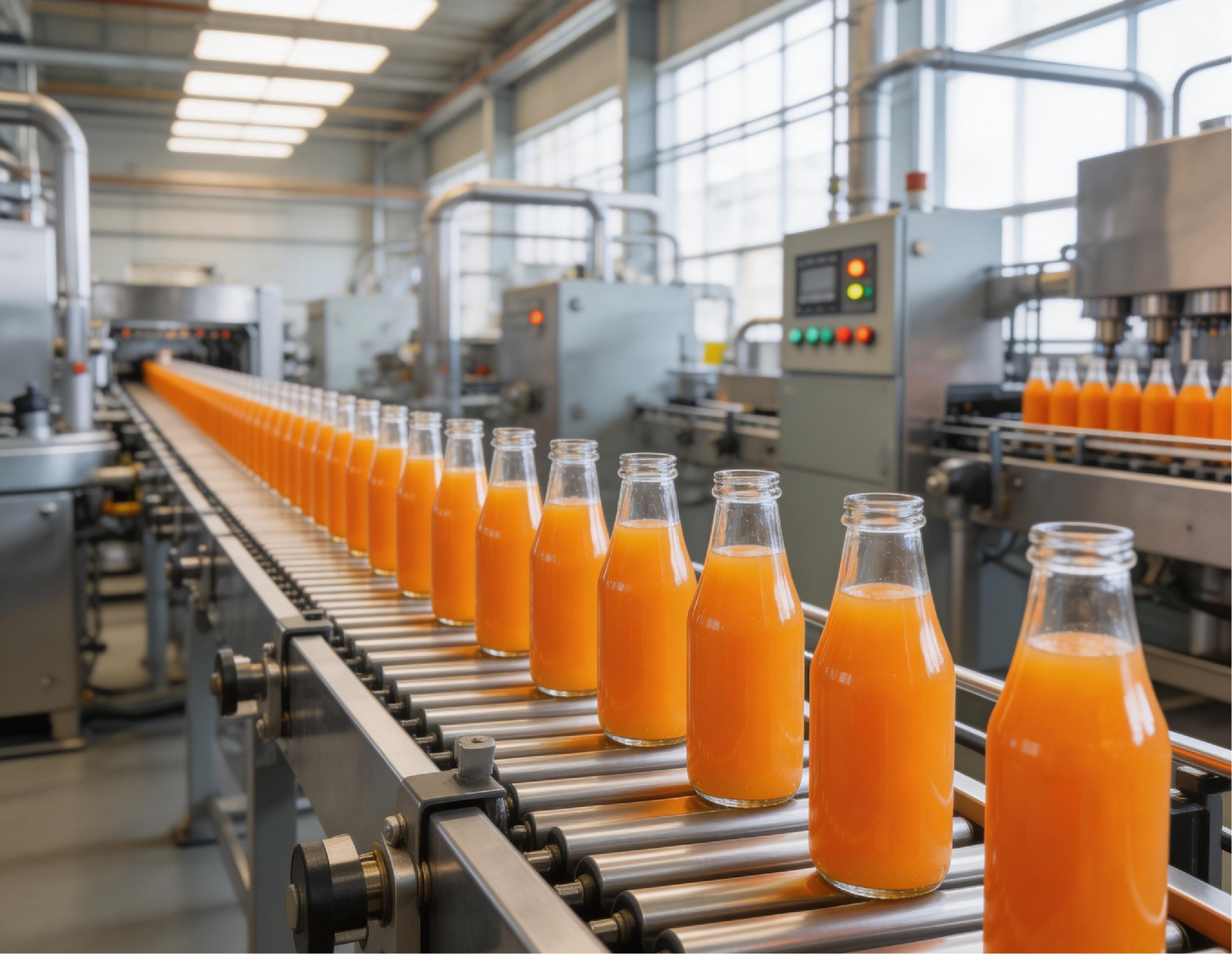
The core of the scheme adopts the natural osmotic pressure difference-driven separation principle. The entire process is carried out at normal temperature and pressure, without mechanical pressurization or phase change. This completely overturns the traditional thermal concentration and pressure membrane concentration processes. By relying on the osmotic concentration difference on both sides of the membrane, water molecules can spontaneously pass through the food-grade high-precision reverse osmosis membrane. It can precisely separate the free water in fruit juices and beverage raw materials, completely retain fructose, fruit acids, pectin, vitamins, aromatic hydrocarbon flavor substances, polyphenolic nutrients and effective active substances, and fundamentally prevent the problems of material deterioration, flavor loss and color deterioration caused by high-temperature heat damage and high-pressure shearing. The system has excellent resistance to viscosity and colloid contamination, and can be adapted to high-sugar, high-pectin and high-viscosity fruit materials. It effectively solves the problems of thickening of concentrated liquid in traditional processes, material stratification and uneven concentration, and retains the original flavor, color and nutritional value of fruit juices to the greatest extent.
Performance parameters
| Compatible materials | Various fresh fruit purees, fruit and vegetable compound juices, tropical fruit juices, berry juices, plant extracts, and fermented fruit juice raw materials |
| Material compatibility | Tolerant to high levels of pectin, polysaccharides and heat-sensitive active substances, with antioxidant, anti-browning and anti-organic pollution properties. |
| Thermal retention rate of nutrition/flavor | The comprehensive retention rate of anthocyanins, polyphenols, vitamins and fruit aroma substances is ≥ 96% |
| Solid matter / Flavor / Active ingredient retention rate | ≥99.5% |
| Overall material loss rate | ≤1.5%, significantly lower than the traditional thermal concentration and freeze concentration processes |
| Operating mode | Constant temperature and pressure-free permeation drive, no phase change, no high temperature, no high-pressure shear, low shear sealed transportation |
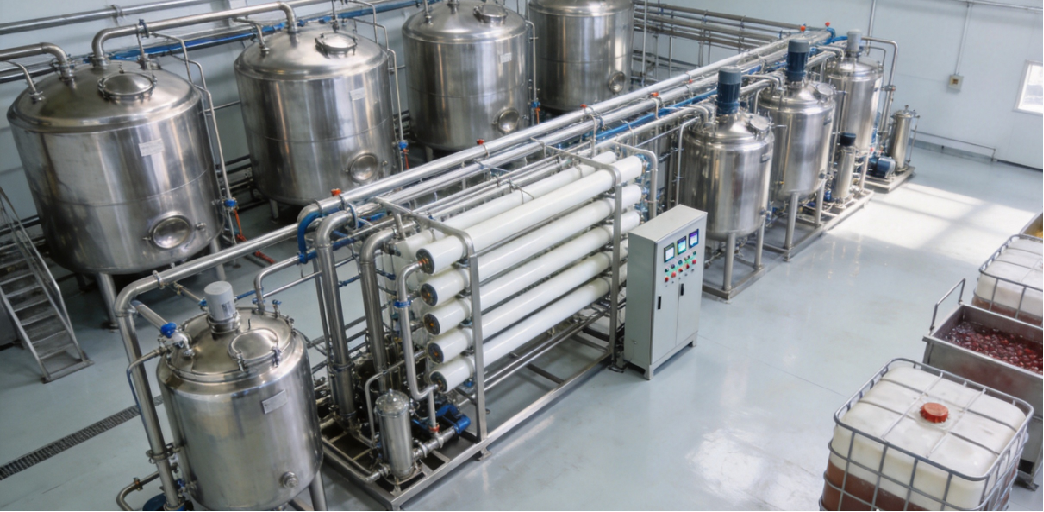
The pore size is 0.25–0.37 nm, and it almost completely retains sugars, acids, proteins and pigments.

The thermally sensitive substances are completely retained, with the loss of flavor / VC / aroma components being less than 5%.

It is 30% - 45% more energy-efficient than evaporation and has a lower cost compared to freeze concentration.

It can be concentrated to 50–65 °Brix, suitable for multiple product categories.